
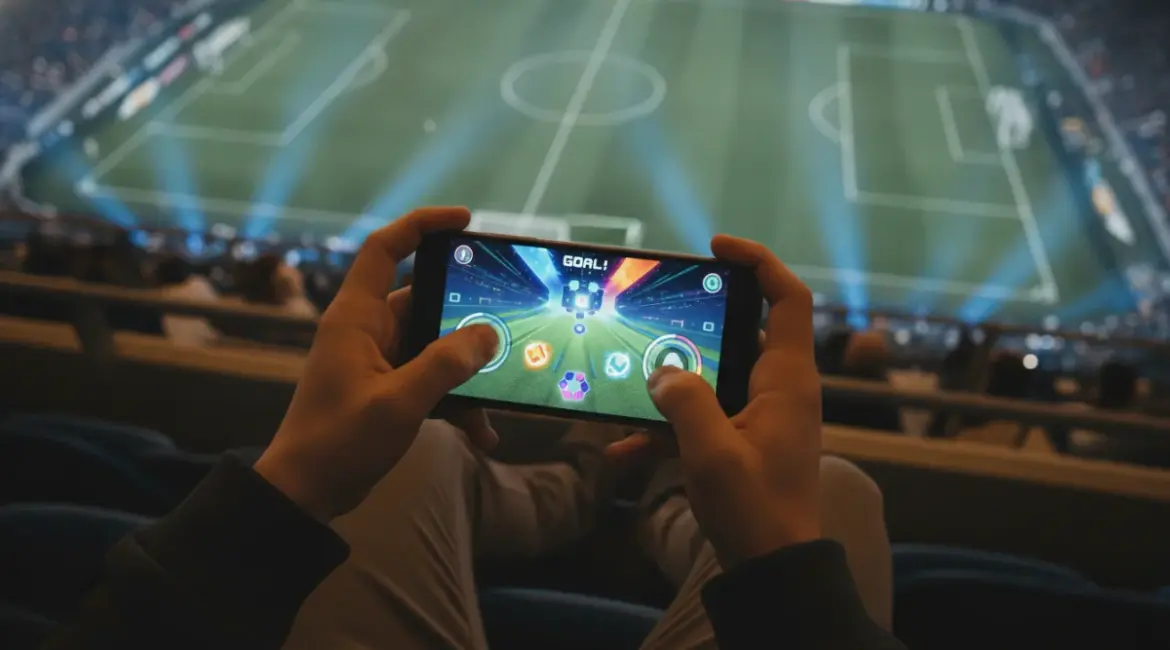
Halftime used to be a pause. Today, it is often a second screen moment, and many sports fans fill it with quick mobile games instead of waiting idly for play to resume. The appeal is simple: short entertainment, instant feedback, and no risk of missing the next big moment on the field.
This shift reflects how modern audiences consume sports. Fans want constant momentum, even during breaks, and mobile games give them a way to stay energized without leaving the event experience behind.
Why Halftime Became Prime Play Time
The break between halves creates a natural gap in attention. Commercials, commentary, and long replays can feel repetitive, especially for fans who already know the story of the match. Quick mobile games solve that problem by offering something active, immediate, and easy to start.
They also fit the rhythm of live sports. A fan can open a game, complete a round, and return to the action before the players are back on the pitch or court.
What Makes These Games Work
Not every mobile game suits a short break. The ones that thrive during halftime usually share a few traits:
- Fast startup: The game opens quickly and begins with little to no waiting.
- Simple controls: Fans can understand the rules in seconds, not minutes.
- Short sessions: One round fits comfortably into a brief break.
- Repeat appeal: The game invites another try without feeling like a time commitment.
That design approach is why hyper-casual puzzles, tap-based challenges, and compact sports-themed games perform so well in this setting. They deliver a quick burst of entertainment without demanding deep focus.
Technology Made the Habit Easier
Better mobile networks have helped turn this habit into something practical. Stronger stadium Wi-Fi and faster cellular connections reduce the frustration that once came with loading delays and weak signals in crowded venues.
Developers have also adapted by making games lighter and more efficient. Lower data use, faster response times, and cleaner interfaces all matter when a fan has only a few minutes to play.
The Mental Side of the Trend
Sports create emotional peaks. A big save, a clutch shot, or a last-second drive can keep fans fully engaged. When the action stops, that intensity drops quickly. Mobile games help bridge that gap by offering a different kind of stimulation during the lull.
They also give fans a rare sense of control. Watching a game is passive, but a mobile game lets the user make decisions, score points, and see an immediate result. That small dose of agency is part of what makes halftime gaming so sticky.
How Teams and Broadcasters Are Using It
Sports organizations have noticed that halftime is no longer dead space. Many now use it as a chance to deepen engagement rather than simply fill time.
- Prediction challenges: Fans guess scores, outcomes, or player milestones.
- Reward-driven mini-games: Players unlock discounts or fan perks through quick play.
- Fantasy updates: Supporters check lineups, points, and matchup changes during the break.
These features turn a pause into participation. Instead of waiting for the game to restart, fans stay connected to the event and the community around it.
Where Halftime Entertainment Is Heading
The next stage will likely be even more interactive. As mobile hardware improves, sports experiences may blend more closely with game-like features, including augmented reality and location-aware fan experiences.
For now, the pattern is already clear. Quick mobile games have become a natural companion to live sports because they match the same values fans bring to the stadium: speed, competition, and instant excitement.