
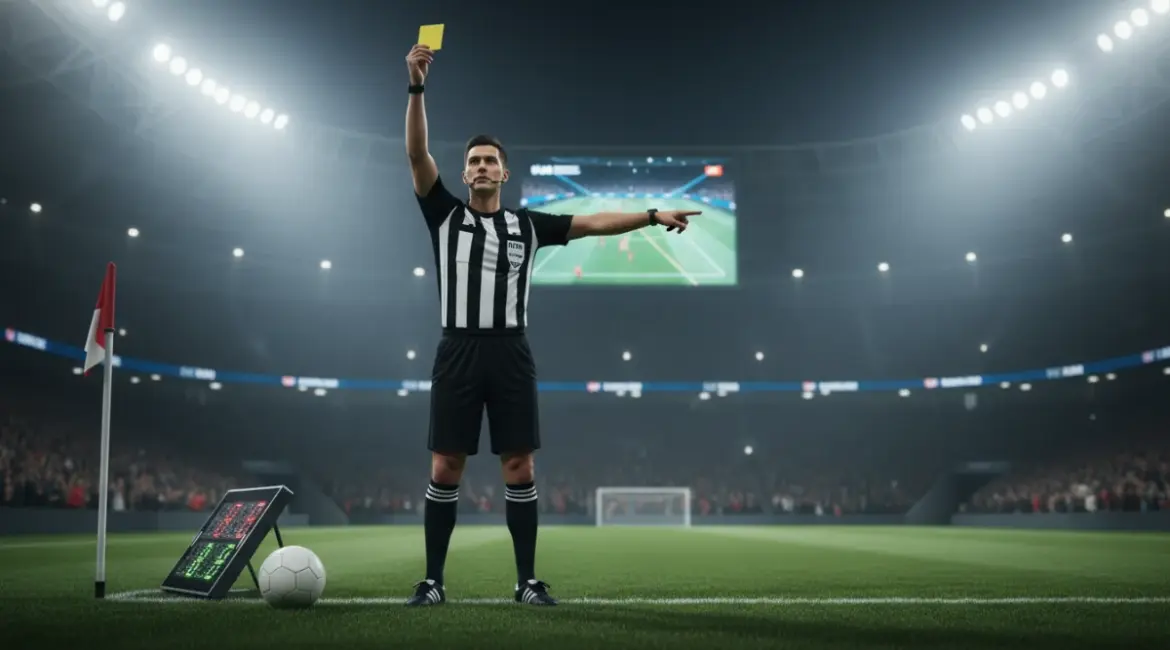
The 2026 FIFA World Cup is expected to feel different not only because of its expanded format, but also because of a wave of rule adjustments designed to speed up play and tighten control over match behavior. These changes are aimed at reducing wasted time, improving discipline, and giving referees clearer authority in key moments.
For players, coaches, and supporters, that means familiar situations may now lead to very different outcomes. A delayed restart, a heated exchange, or a routine stoppage could carry much bigger consequences than before.
Why the Game Is Being Tightened
The basic idea behind the new laws is simple: make football quicker, cleaner, and easier to manage. Lawmakers want to reduce stalling tactics, strengthen the response to misconduct, and expand the use of technology where it can help officials make better decisions.
The World Cup is a high-pressure stage, so any rule change will be magnified. Teams will not have much time to adapt, which is why the tournament may become a revealing test of how these updates work in real match conditions.
Behavior Under the Microscope
One of the most attention-grabbing changes involves players who cover their mouths during confrontations. Under the new interpretation, doing so with a hand, shirt, or arm in a tense exchange may be treated as a red-card offense if it appears connected to abusive or discriminatory language. The purpose is to make it harder to hide comments that should be heard and judged by officials.
This does not mean every covered mouth will draw punishment. The key issue is context. A private, harmless conversation between teammates or opponents is not the target. Referees are expected to focus on situations where there is conflict, suspicion of abuse, or an obvious effort to conceal what was said.
That same emphasis on accountability also applies to protest behavior. If a player leaves the field in anger after a decision, a red card may follow. If team officials encourage that walk-off, they can be punished as well. In extreme cases, a team that causes an abandonment could be ordered to forfeit the match, which is meant to prevent protests from becoming a competitive tactic.
Restarts, Substitutions, and Time-Wasting
Another major theme is the push to stop teams from dragging out restarts. Throw-ins and goal kicks are expected to be placed under a visible five-second countdown. Once the referee signals the timer, the team in possession must put the ball back into play before it expires.
If a throw-in is not taken in time, possession changes hands. If a goal kick is delayed beyond the limit, the opposition is awarded a corner. That second punishment is especially severe and could reshape matches late on, when time management often becomes a tactical weapon.
Substitutions are also being handled more strictly. A player being replaced will have a limited window to leave the field and must exit at the nearest boundary point rather than crossing the pitch slowly. If the departing player takes too long, the substitute may have to wait, which can briefly leave the team short while the restart is organized.
These rules are not meant to be inflexible in every case. Referees can still allow more time for injuries, safety concerns, or security issues. Even so, the overall direction is clear: routine delay is likely to be penalized more aggressively than it has been in the past.
Medical Breaks and Cooling the Match
Medical stoppages are being addressed with the same anti-delay mindset. If treatment is needed for an outfield player, that player will generally be required to leave the pitch for one minute after play resumes. The idea is to reduce tactical use of minor injuries as a way to slow the game and reset shape.
There are important exceptions, though. Goalkeepers are treated differently, and collisions involving a goalkeeper and another player may also avoid the one-minute rule. The same is true for serious injuries, including suspected concussions or head trauma, where safety must come first. A player about to take a penalty is also exempt, since the competition would be unfairly distorted otherwise.
Hydration breaks will be built into every match as well. The tournament will be played across the United States, Mexico, and Canada, so heat management matters. Each half is expected to include a three-minute hydration pause around the middle portion of play, though referees can adjust the timing if another stoppage makes better sense.
What VAR Can Now Review
Video review is also getting a broader role. VAR already changed the sport when it was introduced at the World Cup in 2018, but the 2026 edition is expected to expand its reach in targeted ways. One important addition involves red cards issued because of a second yellow. If that second caution is clearly wrong, video officials may intervene.
Mistaken identity is another area where VAR can help. If the wrong player is booked or sent off, the decision can be corrected before it becomes a major injustice. In a tournament where margins are narrow, that kind of correction can matter a great deal.
Some corner kick decisions may also be reviewed if the error is obvious and can be fixed quickly. The point is not to replay every close call, but to correct clear mistakes without breaking the rhythm of the match.
There is also a more technical change tied to set pieces. If an attacking player commits a foul before a free kick or corner is actually taken, VAR may recommend an on-field review. That means holding, blocking, or other contact before the ball is in play could be judged more carefully, especially when it affects the defender’s ability to organize.
What Fans Will Notice First
Supporters should expect a match environment that feels more regulated. Referees are likely to use visible countdowns, enforce substitutions with more precision, and punish repeated delays with greater consistency. On the broadcast side, viewers may also see more video checks in situations that used to pass without review.
At first, some of these decisions may feel unusual. A corner awarded for a slow goal kick or a red card for a protest walk-off will stand out. Over time, though, the goal is to create a cleaner game with less dead time and fewer opportunities to game the system.
For teams, the message is even sharper. Discipline will matter more in emotional moments, set-piece routines will need more care, and coaches will have to prepare players for a faster and less forgiving interpretation of the laws. The squads that adjust early are likely to gain an edge, while the ones that keep leaning on delays or confrontation may pay for it quickly.